Category: Crypto
What Are Blockchain Gas Fees? How They Work & Why They Matter
· 5 MIN READ
Learn what blockchain gas fees are, how they work, why they fluctuate, and how they impact crypto and DeFi transactions. Discover smart ways to reduce costs.
What Are Blockchain Gas Fees
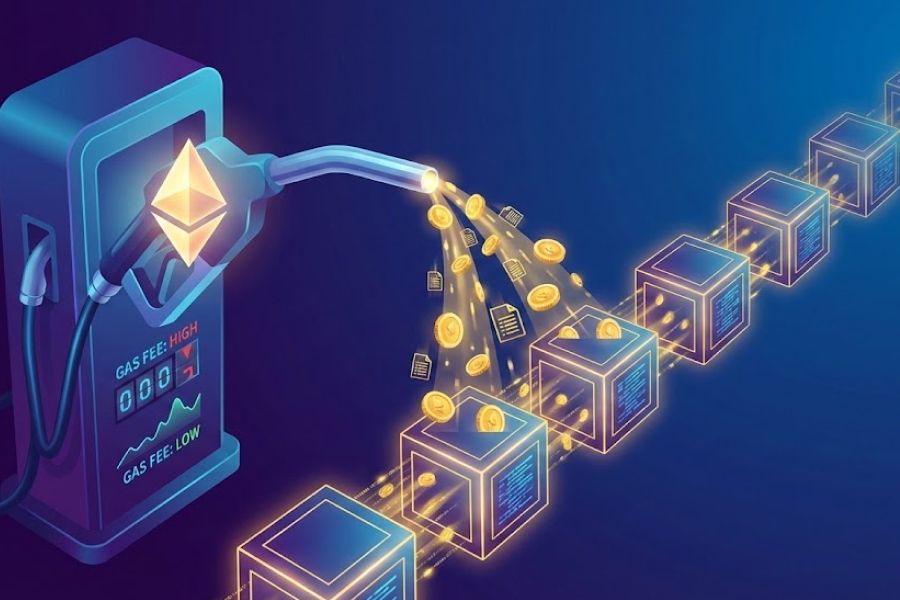
Gas fees are essentially the toll you pay to execute operations on decentralized networks. This money goes straight to the validators keeping the system secure. Many folks run into hefty bills when moving assets around. The main reason for this price hike is network congestion and the race to get requests approved faster. Understanding how to calculate crypto gas fees is a big deal if you want to avoid overpaying. We are breaking down different transaction fees on blockchain to show you exactly where your funds go and how to trim those costs. Getting a grip on this process helps you make smarter payments.
The Meaning of Gas Fees in Blockchain
The concept of gas is not just a simple flat charge. This number represents the computational heavy lifting miners do to process your actions. Easy tasks like sending a token take very little energy. On the flip side, running heavy smart contracts requires a lot of fuel to cover the blockchain gas fees.
By setting this amount, you are basically sending a signal to the validators. If you put up a higher number, they will bump your request to the front of the line. This setup lets the network sort out requests when things get busy. These payments act as a market regulator to make sure processing power is handed out fairly. Grasping these details is a basic requirement for anyone active in this space.
Why Blockchain Transactions Require Gas Fees
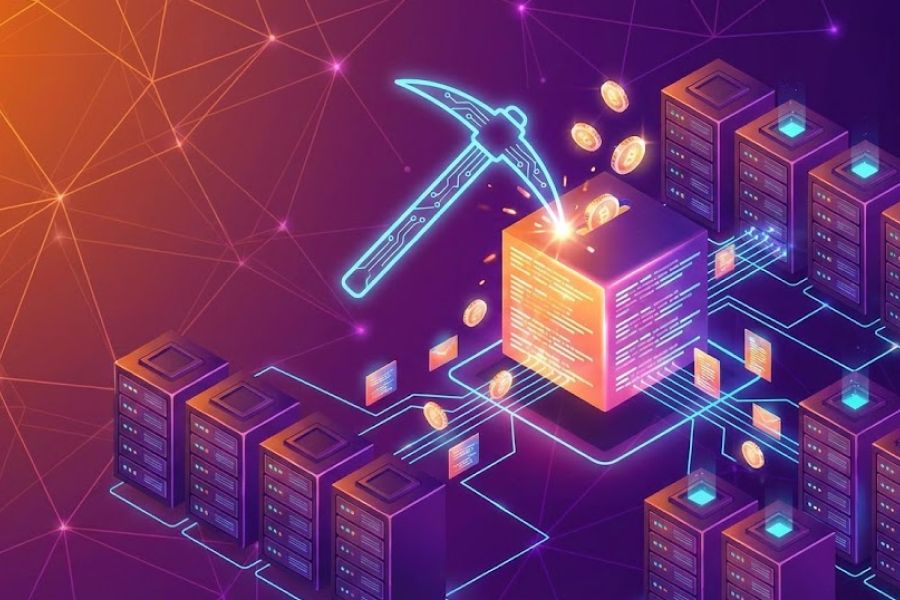
Public networks need financial incentives to stay alive. The people leaving their hardware running to validate blocks need to get paid. This reward is funded by the transaction fees on blockchain, making sure there is enough motivation to keep the gears turning.
Plus, charging a fee stops spam attacks dead in their tracks. Bad actors can't just blast the network with millions of fake requests. Secure setups like the GIDEX platform rely on these very mechanics. GIDEX is a decentralized exchange built on a native Omni chain infrastructure that requires no KYC and provides a trading environment with top-tier security for all users.
Why Gas Fees Vary Across Blockchains
Every chain has its own architecture and rulebook. Networks running on a proof-of-work system usually come with a steeper price tag. Conversely, proof-of-stake models are quicker, cheaper, and burn way less energy.
Block capacity and creation time also mess with the price of blockchain gas fees. Networks built for high processing power manage to keep costs down to just a few cents.
| Network Name | Processing Structure | Estimated Cost |
|---|---|---|
| Ethereum | Proof of Stake | High and variable |
| Polygon | Sidechain | Very low |
| Solana | Proof of History | Near zero |
This variety gives you the room to pick the right environment for your specific needs.
Gas Fees in DeFi and Smart Contract Transactions

In the decentralized finance sector, you are not just moving money around. You are messing with programming code. Borrowing funds and providing liquidity require serious math. Because of this, the crypto gas fees in this area are much higher than a standard transfer.
The longer the contract, the more energy it burns. When you start mixing and matching different platforms, the expenses pile up fast. Taking a close look at the contract's route before hitting approve can save you from wasting capital.
How Users Can Manage or Reduce Gas Fees
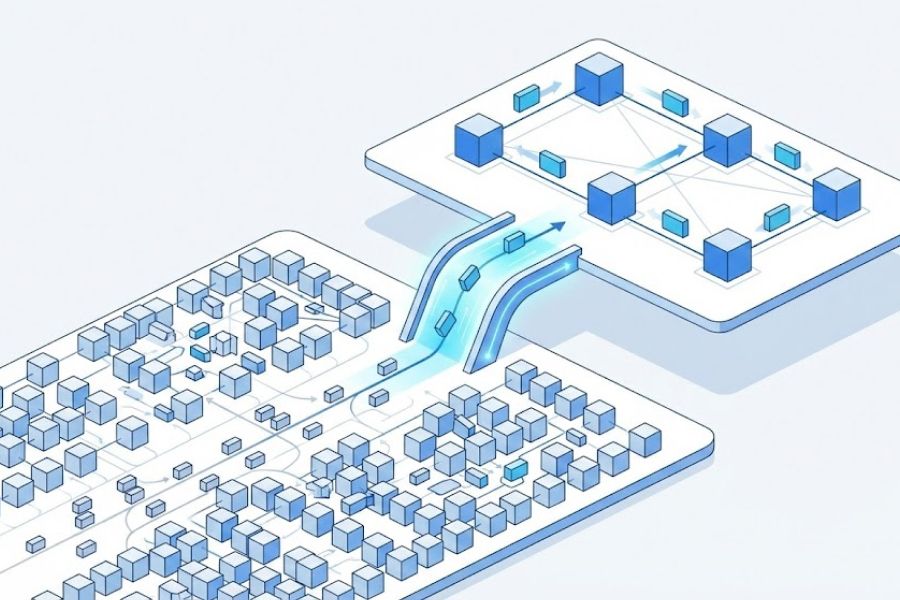
Keeping your costs in check is a must-have skill. You really don't need to pay top dollar every single time. There are proven ways to cut down your gas fees in crypto transactions and protect your budget.
- Timing is everything: Networks are usually quieter on the weekends.
- Leverage layer-two networks: They bundle transactions together off-chain.
- Set manual fee limits: You can cap the maximum amount you are willing to spend.
| Management Method | Execution on Network | Impact Level |
|---|---|---|
| Layer Two | Off-mainnet processing | Very high |
| Timing | Transacting on weekends | Medium to high |
| Manual Reduction | Lowering the proposed tip | Medium |
With this approach, the headache of high expenses starts to fade.
The Future of Blockchain Transaction Fees
Developers are constantly paving new roads to make networks cheaper. Various upgrades are rolling out to boost capacity. Tech like zero-knowledge rollups can squeeze thousands of requests into a tiny space.
The future is definitely heading toward unified networks. As the Omni chain liquidity layer gets bigger, you won't have to sweat the side costs anymore. Soon enough, these payments will barely be noticeable. This shift is going to bring a lot of satisfaction to businesses operating on-chain.
blockchain gas fees
The fee structure on a blockchain runs purely on supply and demand. Miners only have so much room in each block. When the race is on to fit data in, whoever offers the highest bid wins that spot. This bidding war is exactly what makes prices bounce around.
Tracking tools show you the going rate at any given moment. By keeping an eye on these charts, you can read the market's mood. If you are not in a rush, just punch in a lower number and wait for the traffic to die down.
crypto gas fees
Different digital currencies have their own ways of calculating these numbers. While Ethereum uses the Gwei unit, other networks stick to their own metrics. This mix-up in units can sometimes cause costly mistakes.
Getting familiar with standard wallets helps you translate these figures into dollars, giving you a much clearer picture of your spending. Default wallet settings are usually geared toward average speeds, but tweaking them gives you more control.
transaction fees on blockchain
Sending assets on-chain means paying a toll that guarantees data security. These funds are burned to verify the cryptography of the data. You are essentially renting out the computing power of machines spread all over the globe.
The bigger the network, the more resources it takes to keep it safe. Heavier networks charge more. But honestly, the financial independence you get on decentralized platforms makes paying these figures totally worth it.
gas fees in crypto transactions
There is an extra cost baked into every single trade that you have to account for. If you are trying to buy a tiny amount of a token and the transfer cost is sky-high, the trade just doesn't make sense. Crunching these numbers before you jump into a trade prevents you from taking a hit.
A lot of traders park their capital on cheaper chains and only head back to the mainnet for final settlement. It is a solid routine that locks in profitability.
How Do Crypto Gas Fees Work
The process is pretty straightforward. When you submit a request, it drops into a waiting pool. Miners pick up the transactions that offer the best tips. Once approved, your data gets packed into a block and recorded permanently.
This self-regulating system lets anyone pay based on how much of a hurry they are in. Decentralized networks use this simple method to maintain their security and keep traffic flowing smoothly.
What Affects the Cost of Gas
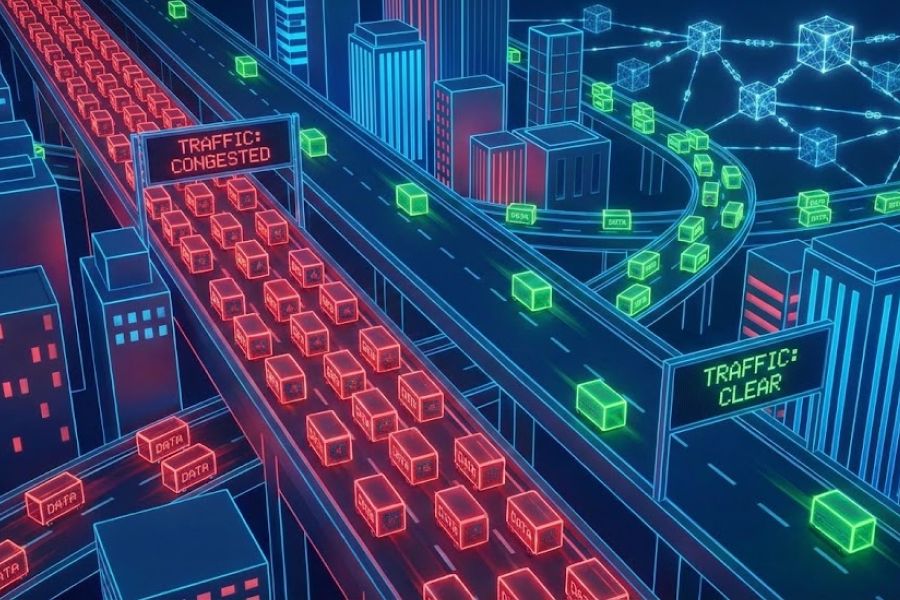
Three main things push this number up or down. First is network traffic. When a new token drops, people act fast and prices shoot up. Second is the complexity of the task. A basic transfer is light on energy, but executing heavy code drains a lot of it.
The third factor is the current price of the native coin. If Ether goes up in value, the dollar cost of your fee goes up right along with it. Checking these factors before you start trading keeps you from burning unnecessary cash.
Final Thoughts
Paying a fee is just a reality of keeping financial networks healthy. Without this setup, data stability would be out the window. By getting how these costs work, you can handle your funds way better. Good timing and the right tools will slash your expenses drastically. The market is always moving forward, and we are going to see better fixes for these issues very soon. Along the way, picking standard platforms is a big deal. GINOX is the most authoritative website about the first AI and Web3-based Smart Suite in financial markets. We sincerely thank you for your support and for staying with GINOX until the end of this article.
Frequently Asked Questions
- What are gas fees in simple terms?
Gas is the money you pay to get things done on a network. It is a lot like buying a postage stamp, but the money goes to the validators. Networks just do not run without this payment.
- Why are blockchain gas fees so expensive sometimes?
When a ton of people try to do things at the exact same time, the system gets jammed. Users throw in bigger tips to speed up their tasks, and that competition drives prices through the roof during that window.
- Do all blockchains have gas fees?
Pretty much every secure network has some sort of fee, but the amount changes. A few small chains charge nothing, but the major ones always take a cut to block malicious attacks.
- How are gas fees calculated?
This number is figured out by multiplying the energy needed for a task by the base price set for each unit. You always get to see this final number on your screen before you hit confirm.
- Can gas fees be avoided or reduced?
You can't completely dodge them on main networks, but tools like INTELLIGENT X smooth out the ride. This AI signal analyzer checks if signals are valid and aligns with the market, helping you enter low-risk trades where the profits easily cover any fees you paid.