Category: Market Insights & Trading
What Is a Decentralized Exchange (DEX)? How It Works & Examples
· 5 MIN READ
Learn what a decentralized exchange (DEX) is, how it works, its pros and cons, and how it compares to centralized crypto exchanges for safer trading. today!!!!
What Is a Decentralized Exchange
Figuring out what is a decentralized exchange is the first step toward taking full control of your crypto assets. People want to trade without banks or central authorities looking over their shoulders, and these platforms make that happen. In a non-custodial setup, there is no third party approving your transactions; everything runs entirely through smart contracts. We are going to break down the structure, pros, cons, and security of a decentralized exchange crypto ecosystem. If you want more privacy and independence in your financial moves, reading this guide will give you a clear perspective. Businesses connected to this sector are expanding fast, and knowing how they operate is a major advantage.
What Is a Decentralized Exchange
The concept of what is a decentralized exchange points directly to peer-to-peer marketplaces that connect buyers and sellers without a middleman. Unlike traditional platforms, no central entity holds your money. You simply connect your personal wallet and start trading.
These systems are built on blockchain networks. They rely on pieces of code to execute transactions automatically. The code dictates how and when assets move, completely removing the need to trust a central organization. As an example, the GIDEX platform—part of the GINOX ecosystem—operates on an Omni chain infrastructure. It allows users to trade across different chains without going through a KYC process. This kind of setup gives you total financial independence.
Decentralized Exchange Meaning in Crypto
When we talk about the Decentralized Exchange Meaning in Crypto, we mean kicking third parties out of the trading equation. You bypass centralized financial institutions and interact straight with smart contracts. Because of this, you keep full ownership of your private keys.
Traders actively look for a decentralized exchange crypto platform to avoid frozen accounts or the risk of centralized servers getting hacked. Your funds stay in your own wallet until the exact moment a trade executes. No company has the authority to block your money. That level of freedom is exactly what many active market participants demand. Your capital remains secure, provided you take good care of your private keys and recovery phrases.
How Does a Decentralized Exchange Work
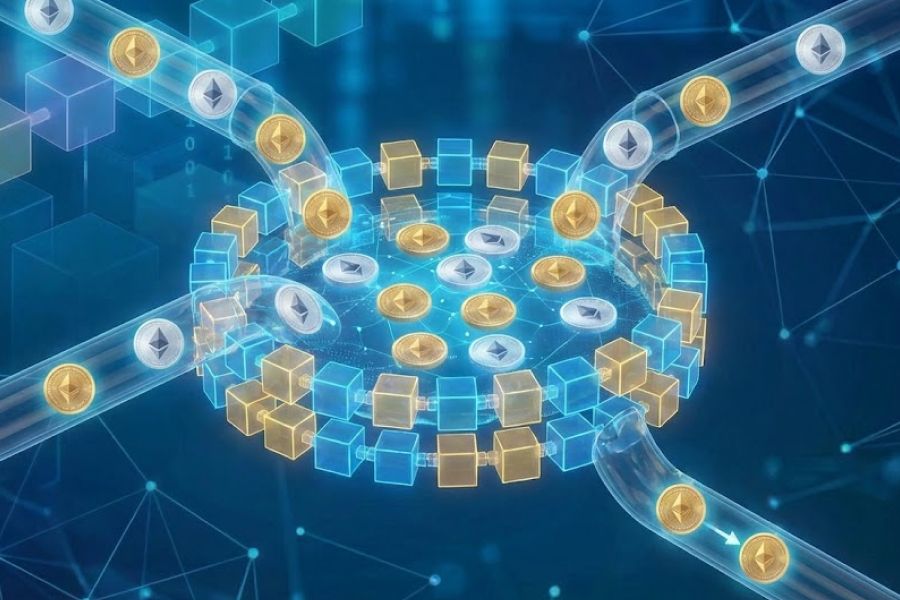
To understand How Does a Decentralized Exchange Work, you have to look at the underlying code. When you want to swap one asset for another, you send a request to a specific contract address. The pre-approved code matches your order with others, and if the conditions are right, the trade goes through.
There are two main models here. The first is an order book, which records open buy and sell requests. The second is an automated market maker, which uses liquidity pools to figure out the price. These setups make sure users can always find the liquidity they need. GIDEX, for instance, uses an Omni chain based trading engine to process spot and futures trades quickly. This setup gives users a smooth, uninterrupted trading experience without relying on a centralized order matching system.
Key Features of Decentralized Exchanges
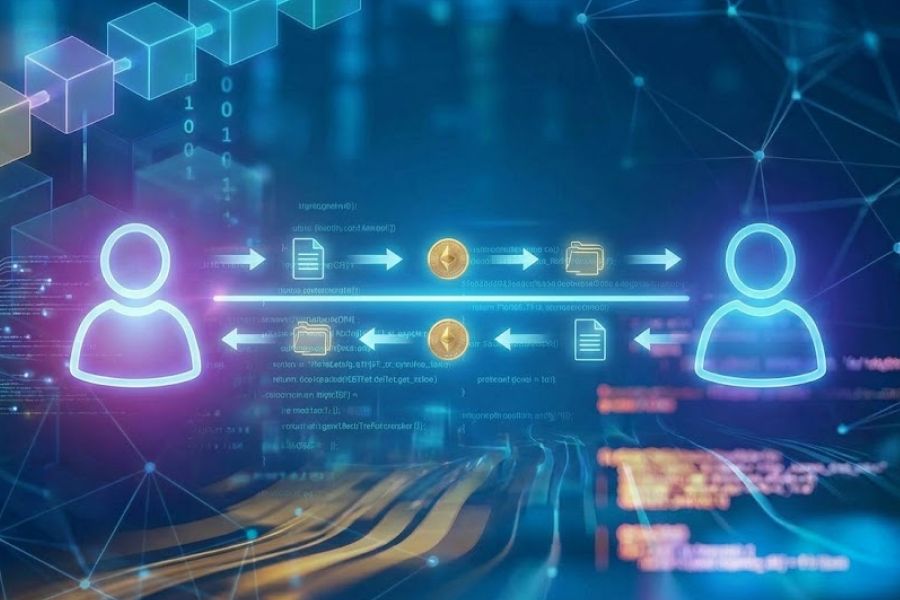
Several distinct characteristics set these platforms apart from their centralized counterparts. The first is transparency. Every single transaction is recorded on a public distributed ledger, so anyone can verify it. This open structure prevents insiders from manipulating the price behind closed doors.
Another point is open access. You do not have to fill out long registration forms or scan your passport. Just connect a compatible wallet, and you are good to go. Additionally, the risk of a massive central honeypot is gone. Since user funds are not pooled in a single corporate server, hackers have less incentive to attack. Finally, anyone can list a new token by simply providing liquidity to a pool, giving early-stage projects a place to trade immediately.
Advantages and Disadvantages of DEXs
Every financial tool comes with its own set of trade-offs. Let's look at the main pros and cons:
| Advantages | Disadvantages |
|---|---|
| Complete control over assets and private keys | Steep learning curve for beginners |
| High privacy and no identity verification (KYC) | Network fees can spike during heavy traffic |
| Total transparency and open-source code | Risk of bugs in the smart contracts |
| Huge variety of available tokens | No customer support hotline to fix user errors |
The upside is massive. You get high privacy, better security against corporate hacks, and sometimes lower fees depending on the network. You never have to trust a third party because your money is always in your hands.
On the flip side, network congestion can push transaction fees up. The interface can also feel a bit overwhelming if you are new to the space. You also have to remember that there is no customer service desk to call if you make a mistake. You take full responsibility for your actions, including safely storing your wallet's seed phrase.
Are Decentralized Exchanges Safe?
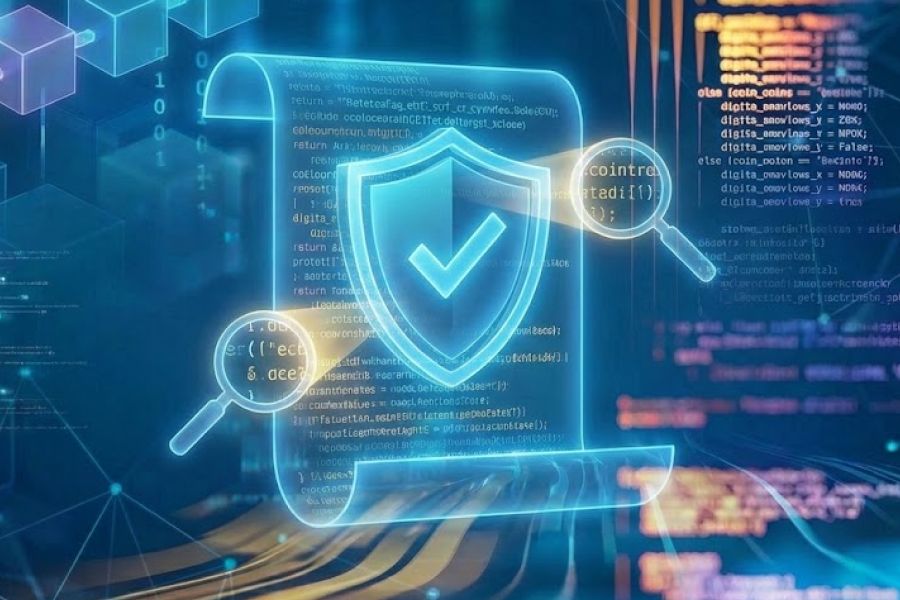
Security is the most discussed topic in finance right now. If you ask Are Decentralized Exchanges Safe?, you have to look at it from two angles. First, the risk of a centralized database breach is practically zero. Since assets are not kept in one place, a mass theft is incredibly difficult to pull off.
However, the code itself carries risk. If a platform's smart contract has a flaw, someone might drain the liquidity pools. Reputable platforms counter this by hiring independent security firms to audit their code. Within the GINOX ecosystem, tools like INTELLIGENT X help mitigate market risks. By analyzing incoming data and checking the validity of signals, it helps you measure the market sentiment and avoid entering high-risk trades blindly.
non custodial crypto exchange
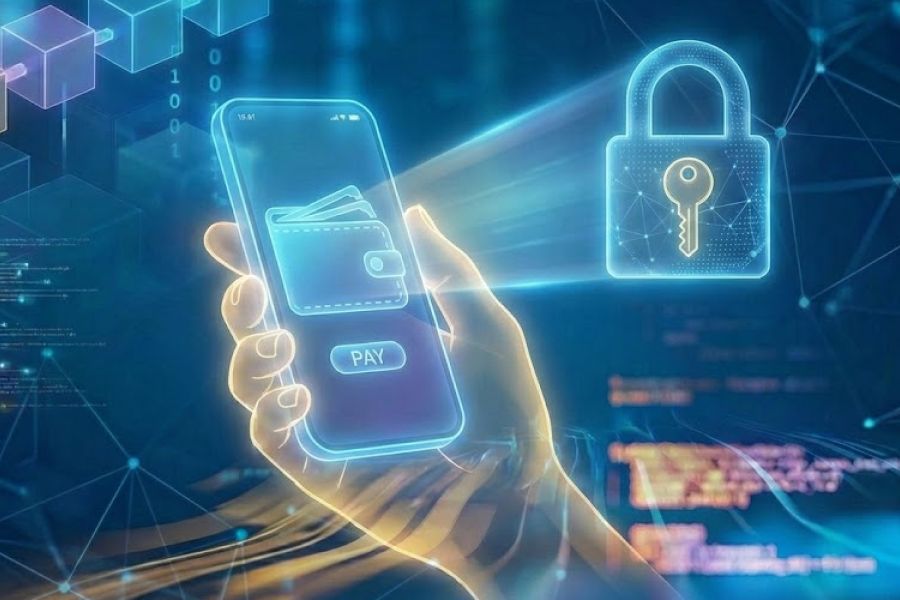
A non custodial crypto exchange is an environment where you are your own bank. You do not deposit your coins into an exchange's wallet. Instead, your personal wallet talks directly to the smart contracts, and the settlement happens instantly.
Using a non custodial crypto exchange completely eliminates the danger of a company going bankrupt and taking your money down with it. You hold the keys at all times. Developers are constantly upgrading the backend technology to make these platforms faster and easier to navigate, bridging the gap between independence and usability.
what is a DEX in crypto
If you are wondering what is a DEX in crypto, think of it as the foundational layer of decentralized finance. These platforms do much more than just simple token swaps. They let you provide liquidity, earn a share of the trading fees, and vote on how the protocol should be run.
Providing liquidity means you lock some of your assets into a pool. In return, the platform pays you a cut of the fees generated by other traders. It is a solid way to build a passive income stream. As the space grows, more financial tools are plugging into these systems, accelerating the expansion of the entire digital economy.
decentralized exchange examples
Looking at a few decentralized exchange examples makes the concept much easier to grasp. Uniswap is a massive player on the Ethereum network, using an automated market maker to attract billions in liquidity. PancakeSwap does the same thing on the Binance Smart Chain but appeals to traders looking for lower network fees.
SushiSwap and Curve are other well-known names, with Curve focusing heavily on stablecoin swaps with minimal price slippage. On another level, GIDEX acts as a comprehensive hub. Operating on an Omni chain liquidity and settlement layer, it allows users to trade spot, futures, and even tokenized US stocks and real-world assets (RWAs) entirely permissionless.
decentralized finance exchange

A decentralized finance exchange is actively changing how banking works. These platforms offer services that used to belong strictly to large financial institutions. Lending, borrowing, and earning yield through staking all happen transparently and without middlemen.
People use a decentralized finance exchange to diversify their portfolios and capture better yields. Software code manages all these processes, reducing human error and bias. To navigate this data-heavy space, traders can use GINOX AI. This hub brings together large language models like ChatGPT, Claude, and Gemini into one interface. It acts as an independent, intelligent assistant, helping you execute combined commands and make sense of market trends before you risk your capital.
| Structural Feature | Decentralized Platform | Centralized Platform |
|---|---|---|
| Asset Custody | User's personal wallet | Company's central servers |
| Identity Verification | Not required | Mandatory |
| Private Key Control | Held by the user | Held by the company |
| Speed and Fees | Depends on blockchain traffic | Fixed and internal |
Final Thoughts
We have laid out exactly what these platforms are and how they operate. By cutting out the middleman, they give you independence, transparency, and a tighter grip on your own security. It takes a bit of time to learn the ropes, but the benefits have already pushed a massive amount of trading volume toward these networks.
Privacy, the lack of KYC requirements, and keeping control of your own money are the main reasons people make the switch. Just keep the risks in mind, like contract bugs, and make sure you do your homework before trading. We sincerely thank you for your support until the end of this article.
Frequently Asked Questions
- What is a decentralized exchange in simple terms?
It is a marketplace where buyers and sellers trade crypto directly with each other, with no middleman holding their funds. You can use platforms like GIDEX, built on an Omni chain infrastructure, to execute these peer-to-peer trades securely and anonymously.
- How is a DEX different from a centralized exchange?
The main difference is custody. On a decentralized platform, your money stays in your wallet and you skip the identity checks. Centralized platforms hold your funds and require you to hand over your legal documents to trade.
- Are decentralized exchanges safe to use?
They are highly secure against centralized server hacks. However, you face other risks like smart contract bugs or buying bad tokens. You can use an AI signal analyzer like INTELLIGENT X to review market alignment and check signal validity before making a move.
- Do decentralized exchanges require KYC?
No. You do not need to go through Know Your Customer procedures. You just connect your personal wallet, which keeps your identity private and gives you immediate access to trading features.
- What are the risks of using a DEX?
The main risks include code vulnerabilities, high network fees during busy times, price slippage in low-liquidity pools, and the possibility of buying worthless tokens. You are completely responsible for your own risk management and asset security.